Boost Your Professional Brand: Expert Tips for a Standout LinkedIn Profile
In today’s interconnected professional landscape, a meticulously crafted LinkedIn profile is no longer a mere online resume; it’s a dynamic and essential cornerstone of your personal brand. It serves as your digital storefront, your professional narrative, and your gateway to invaluable opportunities. Neglecting its potential is akin to owning a business without a clear window display. To truly stand out in a crowded marketplace, professionals must strategically cultivate a LinkedIn presence that not only informs but also captivates, inspires, and connects.
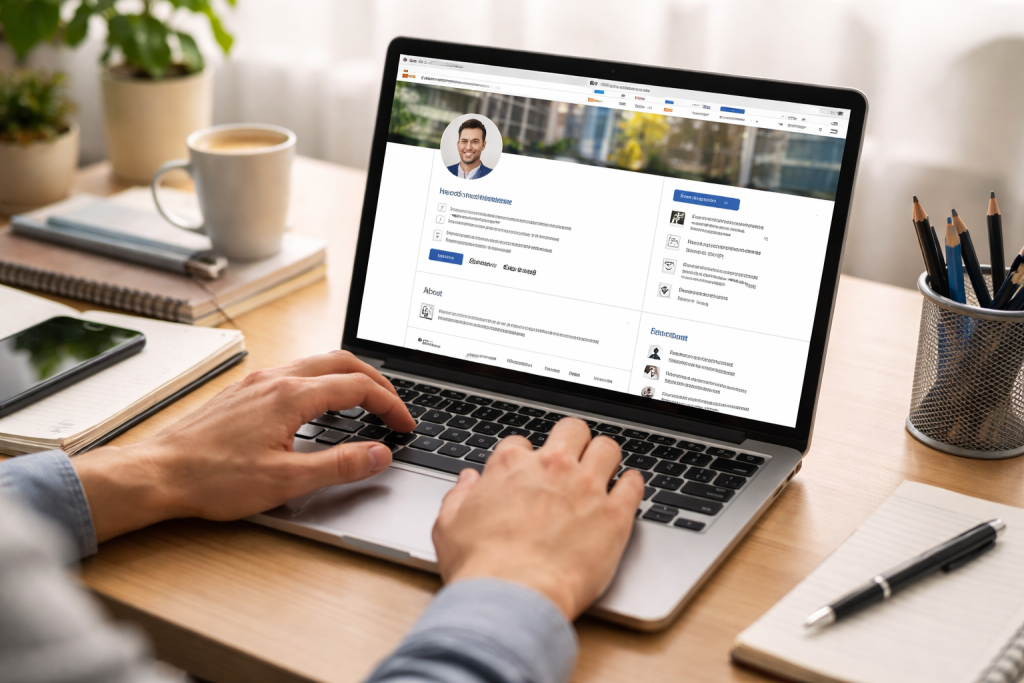
Your LinkedIn profile is an opportunity to tell your professional story in a way that resonates with your target audience, whether they are potential employers, collaborators, or industry peers. It’s about more than just listing job titles; it’s about articulating your value proposition.
Contents
- 1 Hooking Your Audience from the Start: The Headline and Summary
- 2 Illuminating Your Strengths: Showcasing Skills and Expertise
- 3 The Power of Presentation: Professional and Engaging Visuals
- 4 Substantiating Your Success: Highlighting Accomplishments and Experience
- 5 Cultivating Your Community: Building a Strong Network and Engaging with Connections
- 6 The Power of Social Proof: Utilizing Recommendations and Endorsements
- 7 Enhanced Visibility: Optimizing Your Profile for Search
- 8 Your Unique Digital Address: Personalize Your URL and Customize Your Public Profile
- 9 Staying Top of Mind: Stay Active and Engaged on the Platform
Hooking Your Audience from the Start: The Headline and Summary
Think of your LinkedIn headline as your elevator pitch squeezed into a single, impactful sentence. Your LinkedIn headline, the first thing people see after your name, should immediately communicate your core professional identity and your unique contributions. Avoid generic titles like “Experienced Professional” or “Seeking Opportunities.” Instead, blend your current role with your key expertise and aspirations. For instance, “Senior Product Manager | Driving Innovation in AI-Powered SaaS Solutions | Ex-Google” is far more compelling than simply “Product Manager.” Consider including keywords that recruiters and industry leaders might use to find individuals with your skill set.
Following the headline, your summary acts as your professional biography, a narrative space to elaborate on your expertise, passions, and unique contributions. This section should be a compelling story, not a bulleted list. Start with a strong opening statement that grabs attention, and then weave in your career highlights, core competencies, and career aspirations. Use concise, impactful language, and infuse it with a touch of your personality. Consider incorporating a call to action, perhaps inviting connections to learn more or collaborate on a specific project. Remember, your profile is your chance to differentiate yourself and showcase what makes you unique.
Illuminating Your Strengths: Showcasing Skills and Expertise
LinkedIn’s skill section is more than just a formality; it’s a powerful tool for searchability and validation. Beyond simply adding a long list of every skill you possess, prioritize those that are most relevant to your career goals and industry. Think about the skills that are consistently in demand in your field and those that truly set you apart.
Aim for a diverse range of skills, encompassing both “hard” technical abilities (e.g., Python, SQL, Project Management) and “soft” transferable skills (e.g., Communication, Leadership, Problem-Solving). Leverage the endorsement feature, actively seeking endorsements from colleagues, clients, and supervisors who can vouch for your proficiency in specific areas. The more endorsements you have for a particular skill, the more credibility it carries. Regularly review and update your skills to reflect your ongoing professional development and any new proficiencies you acquire.
First impressions matter, and on LinkedIn, those impressions are often formed in a matter of seconds. Beyond compelling text, visual elements and concrete examples of your work play a crucial role in creating a standout profile.
The Power of Presentation: Professional and Engaging Visuals
Your profile picture is your digital handshake. Invest in a high-quality, professional headshot that clearly shows your face and conveys approachability and confidence. Avoid distracting backgrounds, group photos, or overly casual selfies. Your photo should project the professional image you want to cultivate.
Beyond your profile picture, consider customizing your background banner. This often-overlooked space presents an excellent opportunity to reinforce your brand or showcase your industry. It could be a subtle image related to your field, your company logo (if appropriate), or a graphic that visually represents your professional focus. Just ensure it’s high-resolution and complements your overall profile aesthetic. These subtle visual cues contribute significantly to a polished and memorable online presence.
Substantiating Your Success: Highlighting Accomplishments and Experience
When detailing your professional experience, resist the temptation to simply copy and paste your resume. LinkedIn allows for a richer, more narrative approach. For each role, go beyond listing responsibilities; focus on quantifiable achievements and the impact you made. Instead of saying “Managed a team,” articulate “Led a team of five software engineers, resulting in a 15% increase in project completion efficiency.” Use action verbs and metrics whenever possible to demonstrate your contributions.
Consider utilizing the “Media” section to showcase tangible examples of your work. This could include links to presentations, articles you’ve published, portfolio pieces, videos, or even relevant project websites. Providing concrete evidence of your capabilities transforms your profile from a static document into a dynamic portfolio that truly showcases your expertise and value. Potential employers and collaborators can then directly see the quality and impact of your work.
LinkedIn’s true power lies in its networking capabilities. It’s a platform designed for connection, collaboration, and mutual growth. Actively engaging with your network and leveraging social proof can significantly elevate your professional brand.
Cultivating Your Community: Building a Strong Network and Engaging with Connections
Your network is your net worth on LinkedIn. Focus on quality over quantity. Connect with colleagues, clients, industry leaders, mentors, and individuals whose work you admire. When sending connection requests, personalize your message. Instead of the generic “I’d like to add you to my professional network on LinkedIn,” reference a shared connection, a piece of their work you found intriguing, or a common professional interest. Such an approach demonstrates genuine interest and increases the likelihood of your request being accepted.
Once connected, don’t let those connections lie dormant. Actively engage with your network. Congratulate people on new roles, comment thoughtfully on their posts, and share relevant insights or resources. Participate in private groups related to your industry or interests. Consistent engagement keeps you at the forefront and cultivates genuine professional relationships, which can lead to invaluable opportunities in the future. Remember, networking is a reciprocal activity; offer assistance and support to others in your network.
The Power of Social Proof: Utilizing Recommendations and Endorsements
Recommendations are powerful testimonials to your work ethic, skills, and character. They provide third-party validation that carries significant weight. Don’t be shy about asking for recommendations from former managers, colleagues, clients, or even professors who can speak to your strengths and contributions. When requesting a recommendation, make it easy for the recommender by suggesting specific projects or skills you’d like them to highlight.
Likewise, be proactive in giving recommendations to others. Not only is it a kind and professional gesture, but it also reflects positively on your character and can encourage recipients to reciprocate. Endorsements, while less narrative than recommendations, still signal proficiency in specific skills and contribute to your overall credibility. Actively endorsing others’ skills can also prompt them to endorse yours.
A static profile, no matter how well-crafted initially, will quickly lose its efficacy. To truly utilize LinkedIn, you must approach it as a dynamic entity that necessitates constant attention and strategic involvement.
Enhanced Visibility: Optimizing Your Profile for Search
You must optimize your LinkedIn profile for LinkedIn’s internal search algorithm, just as you optimize websites for search engines. This involves strategically incorporating relevant keywords throughout your profile: in your headline, summary, experience descriptions, and skills sections. Think about the terms recruiters and hiring managers would use when searching for someone with your specific expertise.
Research common industry keywords and integrate them naturally into your professional narrative. Regularly review your profile’s “Skills” section to ensure it reflects current industry trends and technologies. A well-optimized profile significantly increases your chances of being discovered by relevant opportunities and connections.
Your Unique Digital Address: Personalize Your URL and Customize Your Public Profile
By default, LinkedIn assigns a lengthy, alphanumeric URL to your profile. Take the time to personalize it to something clean, professional, and easy to remember, ideally using your full name (e.g., linkedin.com/in/john-doe). This not only looks more professional on resumes and business cards but also makes your profile easier to find.
Furthermore, review and customize your public profile settings. Determine the information you wish to make visible to individuals who are not associated with you. While a robust public profile is generally beneficial for discoverability, you maintain control over the extent of information shared. Ensure your public profile accurately reflects the image you wish to project to a broader audience.
Staying Top of Mind: Stay Active and Engaged on the Platform
Maintaining a LinkedIn profile requires consistent activity and engagement. To truly maximize its potential, consistent activity and engagement are paramount. This involves regularly logging in, interacting with content, and sharing your insights.
Share relevant industry news, insightful articles, or updates on your own professional achievements. Comment thoughtfully on posts from your connections and industry thought leaders. Participate in LinkedIn Polls, surveys, and discussions within relevant groups. The more active you are, the more visible you are to your network and the LinkedIn community. This consistent presence demonstrates your expertise, passion, and commitment to your professional field, ultimately solidifying your brand as a recognized and respected voice. Your continued engagement ensures your profile remains a dynamic and impactful representation of your evolving professional journey.

Fit Text Graphics is the creator of SkillNexy, a platform focused on helping people learn valuable skills and grow in their careers. SkillNexy’s mission is to make skill development simple, practical, and accessible for everyone.